


-

Add: HeBei ShengShi HongBang Cellulose Technology CO.,LTD.
-

Email
13180486930@163.com -

CONTACT US
+86 13180486930



In the ever-evolving landscape of manufacturing, rubber powder has emerged as a vital component, especially in sectors aiming for sustainability and cost-effectiveness. Derived primarily from recycled tires, rubber powder finds applications in numerous industries, such as automotive, construction, and even footwear. The sustainability angle makes it appealing to eco-conscious manufacturers, while the cost benefits extend its reach to businesses of all sizes. The journey from a discarded tire to finely ground rubber powder is both fascinating and enlightening. The manufacturing process of rubber powder is an exemplar of how innovation and sustainability can coexist. The process typically involves several critical stages, each contributing uniquely to the final product's quality and applicability. The first crucial step in manufacturing rubber powder is the collection and inspection of waste tires. Tires are often sourced from landfills or directly from tire retailers. The inspection process ensures that only suitable tires—free from significant contaminants—are processed. The collected tires then undergo shearing, where they are cut into smaller, manageable chunks. Once sheared, the rubber chunks enter the initial grinding phase. This step involves powerful grinders that break down the rubber into smaller granules. It's essential that the grinding process is done under controlled conditions to maintain the rubber's intrinsic properties. Cryogenic grinding often plays a role here, where the rubber is frozen using liquid nitrogen and then shattered. This method not only preserves the rubber's quality but also ensures uniform granule size, which is crucial for quality control and subsequent applications. Following the grinding, magnetic separation is employed to remove metallic contaminants such as steel wire, which is a standard component in tire manufacturing. Advanced separators employ both magnetic and eddy-current technologies to ensure a high degree of purity in the resultant rubber granules. The next phase involves refining these granules into powder form. Milling machines are used to pulverize the granules into fine rubber powder. The fineness of this powder can be adjusted based on the specific requirements of its intended use—ranging from coarse grades for general applications to ultra-fine grades for more sophisticated industrial purposes. This adaptability is key to rubber powder's versatility in various manufacturing processes . rubber powder wikipedia manufacturing process A critical aspect of rubber powder production is quality assurance. Numerous tests are conducted to ensure the powder meets industry standards for particle size, tensile strength, and purity. Consistent quality is imperative, as the performance of the rubber powder in its final application hinges on these metrics. Experts in the field advocate for continuous innovation in this process. Advanced technologies like automated sorting and AI-driven quality control systems are being integrated to enhance efficiency and precision. These innovations not only streamline operations but also bolster the reliability and consistency of the rubber powder produced. Sustainability is a cornerstone of the rubber powder manufacturing process. By recycling tires, manufacturers significantly reduce the environmental impact associated with rubber production. This process also aligns with the circular economy principles, where waste is minimized and resources are reutilized effectively. The market for rubber powder is expansive. In construction, it is used to produce modified asphalt, offering improved durability and resistance to the elements. In the automotive industry, it provides enhanced properties in tire and non-tire applications. Moreover, its use in consumer goods such as rubber-soled footwear and playground surfaces underscores its broad applicability. For manufacturers looking to integrate rubber powder into their products, understanding the nuanced process of its creation is essential. By leveraging this knowledge, companies can optimize product performance, reinforce their commitment to sustainability, and achieve significant cost savings. In conclusion, the production of rubber powder is a testament to the innovative spirit within the manufacturing sector, combining technical expertise with sustainable practices. As industries continue to seek eco-friendly and efficient materials, rubber powder’s role is poised to expand, offering myriad possibilities for future development and application.
- 40000tons

Production
- 20+years

Experience
- 5000+㎡

Acreage

-
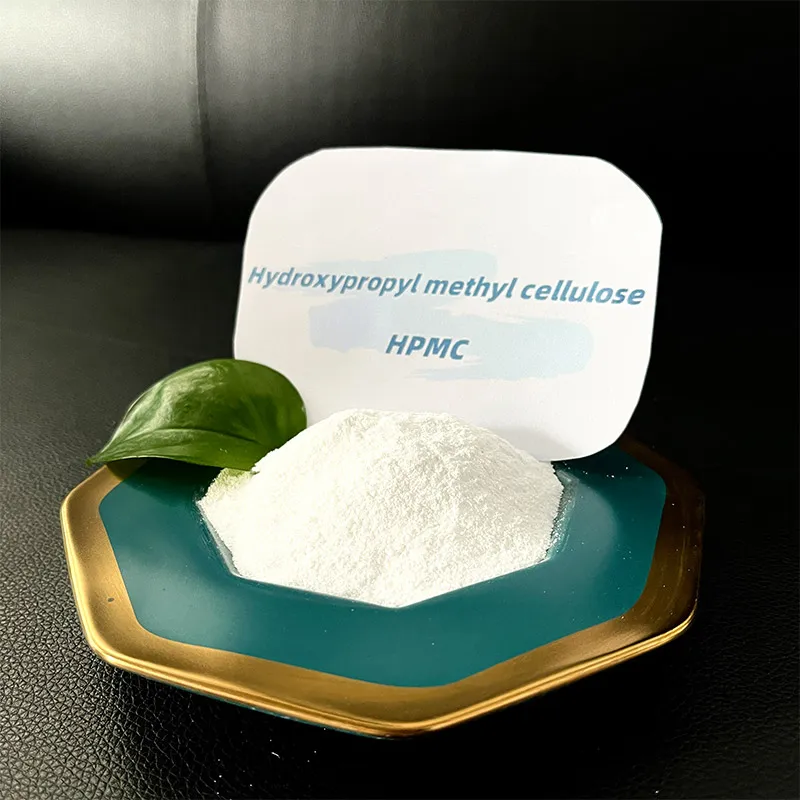
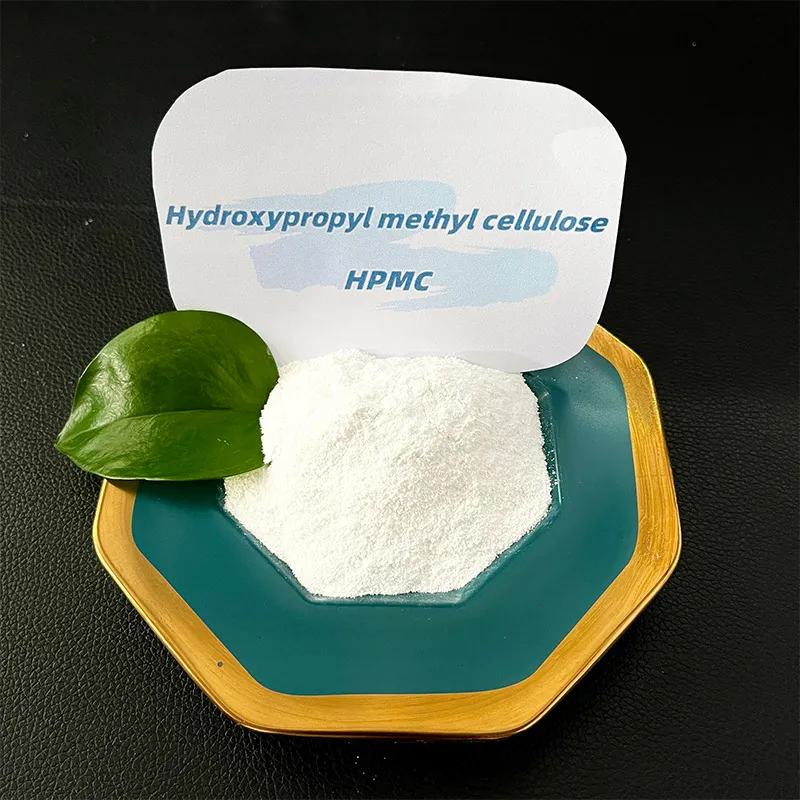
Hydroxypropyl methylcellulose (HPMC) , often celebrated for its multifunctional prowess, is a cellulose-based polymer valued across diverse industries due to its unique combination of properties. Traditionally rooted in the pharmaceutical and construction sectors, HPMC has transcended its conventional roles and is now pivotal in cosmetics, food technology, and even sustainable packaging solutions. In pharmaceuticals, HPMC's renown stems from its role as an excipient. Its ability to control the release rate of active ingredients elevates it to an indispensable component in controlled-release formulations. Moreover, it serves as a disintegrant in tablet formulations, ensuring rapid dissolution and absorption in the digestive tract. For patients, this translates to enhanced therapeutic outcomes and improved medication adherence. Transitioning to the construction industry, HPMC excels as a vital additive in dry mortar products. It enhances water retention and workability of cement-based materials, a boon for masons aiming for superior finish and bond strength. Its ability to efficiently hold water mitigates premature drying, leading to fewer cracks and defects in cured mortars. This, in turn, reduces the need for rework, saving costs and ensuring the longevity of construction projects. In the realm of cosmetics, HPMC's contribution as a thickening and emulsifying agent enables the development of myriad beauty and personal care products. Its non-toxic nature and skin-friendly properties make it ideal for shampoos, creams, and lotions. Consumers often laud these products for their smooth application and enhanced aesthetic appeal, attributed largely to HPMC's uniform consistency and stability. hydroxypropyl methylcellulose uses The food industry further benefits from HPMC's versatility. It functions as a vegetable-derived emulsifier and stabilizer, ideal for vegan and vegetarian products. In gluten-free baking, HPMC's role in mimicking gluten properties ensures that baked goods maintain moisture, structure, and palatability. This not only broadens options for those with dietary restrictions but also enhances the culinary experience for all consumers. HPMC’s role in sustainable packaging presents a fascinating development. As industries pivot towards eco-friendly solutions, HPMC is being explored for biodegradable film coatings, which can replace traditional petroleum-based plastics. This aligns with global ecological goals, addressing environmental concerns while maintaining functional integrity. Analysts and experts underscore the significant impact of HPMC's low allergenic potential and biocompatibility across applications, ensuring consumer trust and product safety. Its authoritative presence in multiple regulatory approvals further solidifies its reliability, instilling confidence among manufacturers and end-users alike. Looking forward, HPMC's scope continues to expand, supported by ongoing research and innovation, challenging manufacturers to harness its full potential. For businesses leveraging HPMC in product formulations, the key lies in understanding its multifaceted applications, integrating them thoughtfully to cater to evolving consumer demands. By doing so, companies not only capitalize on the robust capabilities of HPMC but also position themselves as leaders in sustainable and consumer-friendly solutions. Through strategic partnerships and continuous exploration, the future of HPMC promises even more groundbreaking contributions across various sectors.
-

Understanding Hydroxy Methyl Cellulose Expert Insights into a Versatile Product Hydroxy methyl cellulose (HMC), a remarkable compound with multifaceted applications, remains pivotal across various industries. Its versatility is underpinned by its unique chemical properties and adaptability, which ensure it remains a staple in fields ranging from construction to pharmaceuticals. At the core of HMC's utility is its water-solubility and ability to form films, making it invaluable in industries requiring binding agents, emulsifiers, or thickening agents. Upon dissolution in cold water, HMC exhibits high viscosity, a trait particularly prized in the construction industry. Here, it acts as a phenomenal binder and stabilizer in cement, mortar, and plaster. Its inclusion not only enhances workability but also improves the product's longevity by increasing water retention. This reduction in evaporation allows for a slower, more uniform curing process in concrete, ultimately leading to stronger structures that can withstand environmental extremes. Pharmaceutical and medical sectors leverage hydroxy methyl cellulose's inert nature, using it as a drug delivery agent. Its film-forming properties facilitate the creation of controlled-release medication coatings, which ensure consistent dosage and enhance bioavailability. The compound's non-toxic characteristic further positions it as an ideal candidate for ophthalmic preparations. It serves as an active ingredient in artificial tear solutions, delivering comfort to dry eyes by mimicking the eye's natural mucous. In the realm of food and personal care products, HMC’s expertise resonates in its role as a thickener and stabilizer. The compound is frequently utilized in sauces, dressings, and bakery products, where it ensures an even texture and consistency. A testament to its safety and reliability, HMC conforms to food-grade standards and regulations worldwide, assuring consumers of its trusted quality. hydroxy methyl cellulose Moreover, HMC excels in personal care formulations, ranging from shampoos to lotions. Its moisturizing properties are harnessed in cosmetic products, where it maintains product stability and extends shelf life by preventing the separation of ingredients. Experts often highlight its non-irritating nature, making it suitable for sensitive skin and enhancing its appeal in hypoallergenic product lines. The paper industry benefits from HMC’s binding properties as well . It improves the bond between fibers, resulting in better quality paper with increased tensile strength. The addition of HMC also enhances the printing quality by providing a smoother surface finish, significantly contributing to the final product’s aesthetic appeal. When discussing authority, it's essential to reference regulatory bodies that recognize and approve HMC for various applications. From the FDA's endorsement for ophthalmic and pharmaceutical uses to its GRAS (Generally Recognized as Safe) status in food applications, HMC’s credibility is thoroughly established. Trustworthiness in hydroxy methyl cellulose stems from decades of rigorous scientific research and countless successful implementations across multiple markets. Consumers and manufacturers alike continue to rely on its proven performance, consistently delivering results that meet and exceed expectations. In summary, hydroxy methyl cellulose's extensive use is a testament to its exceptional chemical properties and versatility, serving both industrial and consumer needs with unparalleled effectiveness. As innovation continues to propel industries forward, HMC’s application range is likely to expand, offering novel solutions to conventional challenges, underlining its stature as an indispensable material in the modern age. The fusion of experience, expertise, authority, and trust in this compound not only underscores its historical significance but also its promising future across the global market.
advantages
-

200000 Viscosities
Excellent product
We can produce pure products up to 200,000 viscosities
-

40000 tons
High yield
We don’t stop production all year round, and the annual output can reach 40,000 tons
-

24 hours
Quality service
We provide 24-hours online reception service, welcome to consult at any time
———— Inquiry Form
Schedule A services

-
 is_hpmc_safe
Oct . 25, 2025
Hydroxypropyl Methylcellulose (HPMC) is a multifaceted compound that has garnered significant attent -
 cellulose_extraction_from_wood
Oct . 25, 2025
Hemp polypropylene is rapidly gaining traction in the materials industry as an innovative and sustai -
 usos_de_la_hidroxipropilmetilcelulosa
Oct . 25, 2025
The construction industry constantly seeks materials that offer superior performance, reliability, a


